
Loading
Loading

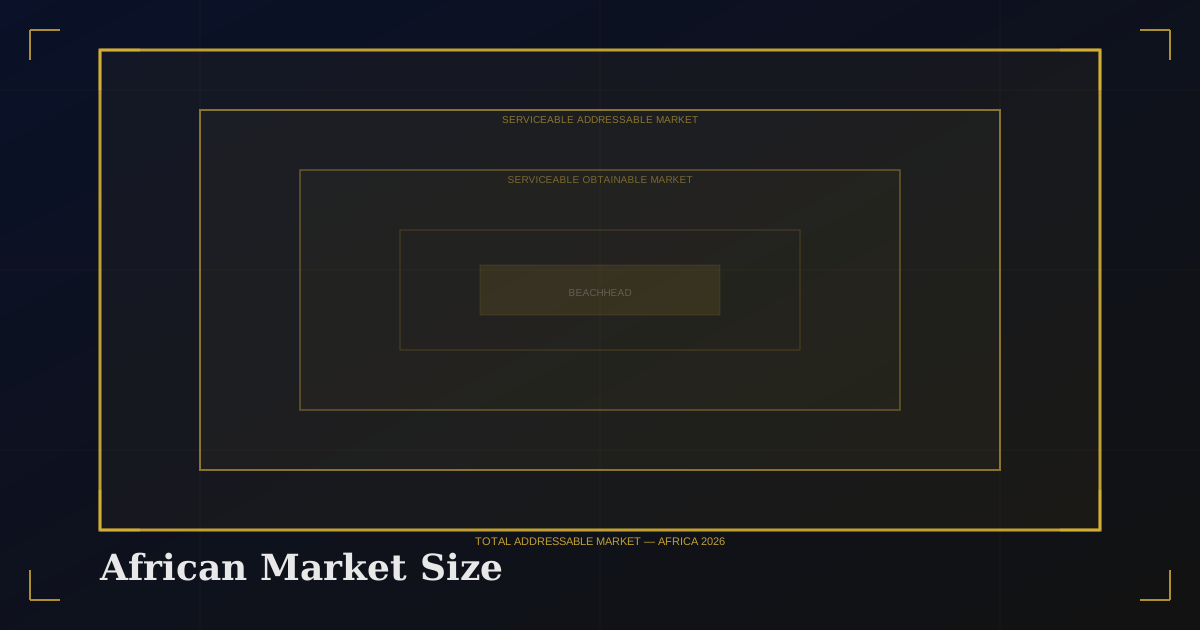
The failure modes of global SaaS products in African markets are consistent. Payment infrastructure assumptions — products built for Stripe and PayPal in markets where M-Pesa, SnapScan, and bank transfer dominate. Connectivity assumptions — software built for stable broadband in markets where mobile data is expensive and connectivity is intermittent. Regulatory assumptions — compliance frameworks designed for GDPR and US regulations that do not map to POPIA, Nigerian Data Protection, or Kenyan regulatory requirements. Language and cultural assumptions — UX patterns designed for English-first users in markets with multiple official languages and different cultural approaches to business communication. Each of these failure modes represents an opportunity for locally-built software that understands the market from the inside.
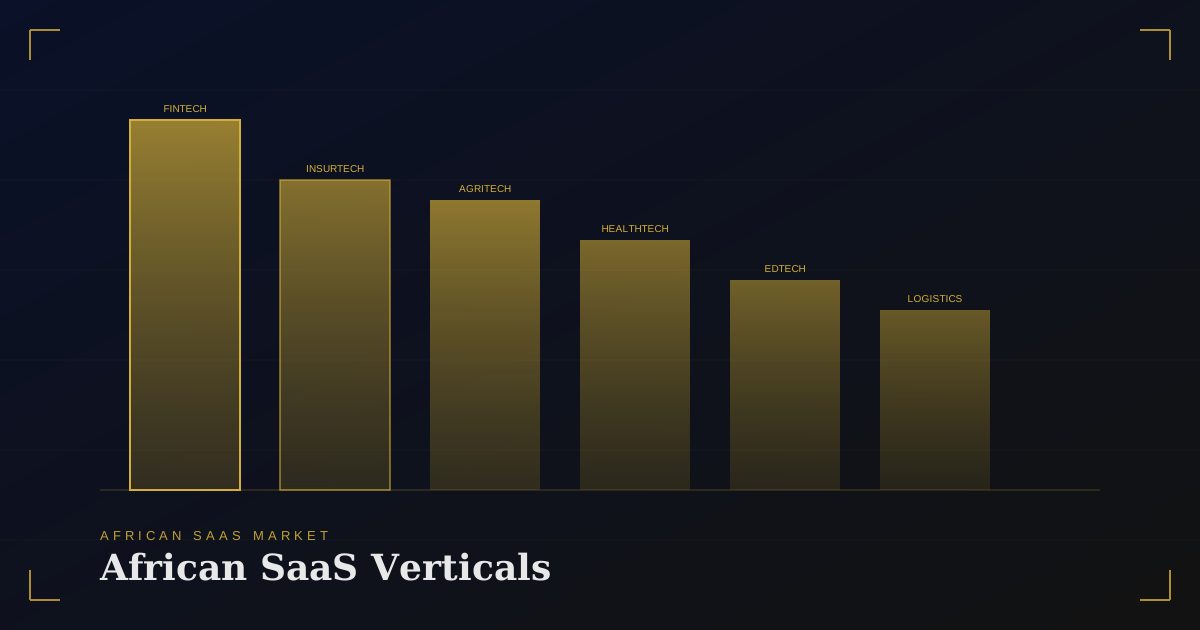
Several sectors stand out as particularly underserved by appropriate software. Informal and semi-formal business management — the enormous SME sector across Africa lacks affordable, mobile-first business management tools that work in low-connectivity environments. Insurance technology — the insurance sector across Africa is growing rapidly but remains operationally manual, creating enormous demand for appropriate InsurTech solutions. Agricultural technology — farm management, supply chain, and market access software for smallholder and commercial farmers. Financial services — lending, savings, and investment platforms built for African financial behaviour patterns. Each of these verticals has large, underserved markets and no dominant local software solution.
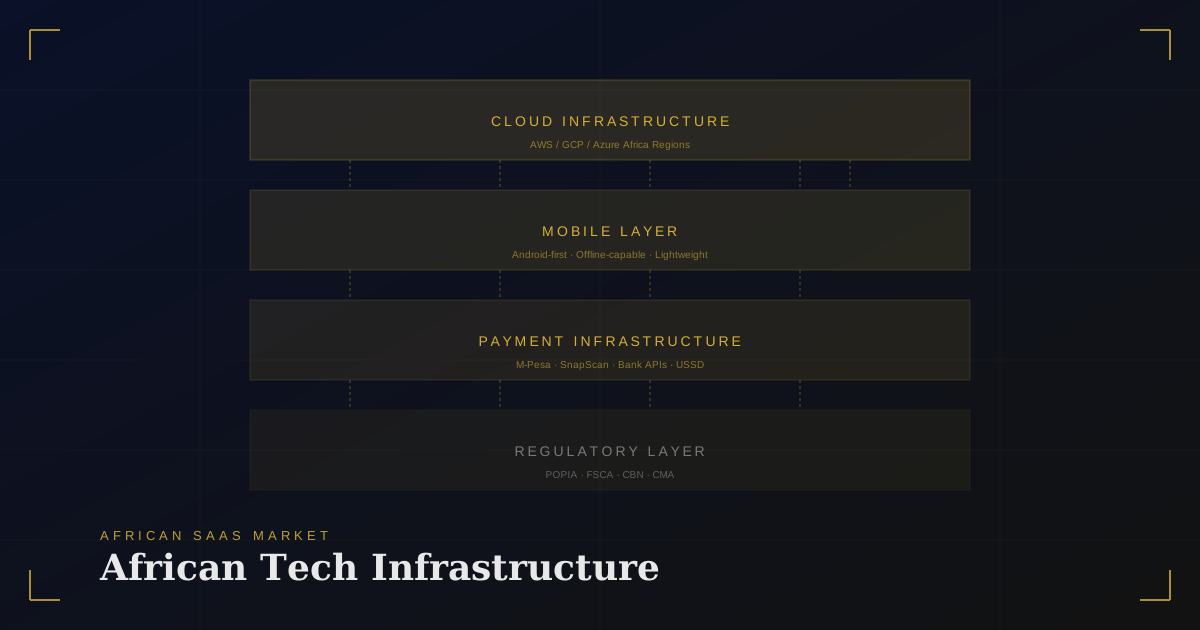
Building SaaS for African markets in 2026 has never been technically easier. Cloud infrastructure — AWS, GCP, and Azure all have African regions. Mobile payment APIs are mature and well-documented. Open banking frameworks are emerging across the continent. The technical barriers to building and deploying software have fallen dramatically. The remaining barriers are contextual: understanding the market deeply enough to build something people will actually pay for. This is where local practitioners have an inherent advantage over global players. I understand the South African regulatory environment, the payment infrastructure, the B2B sales dynamics, and the operational challenges that my clients face — because I work within those constraints daily.
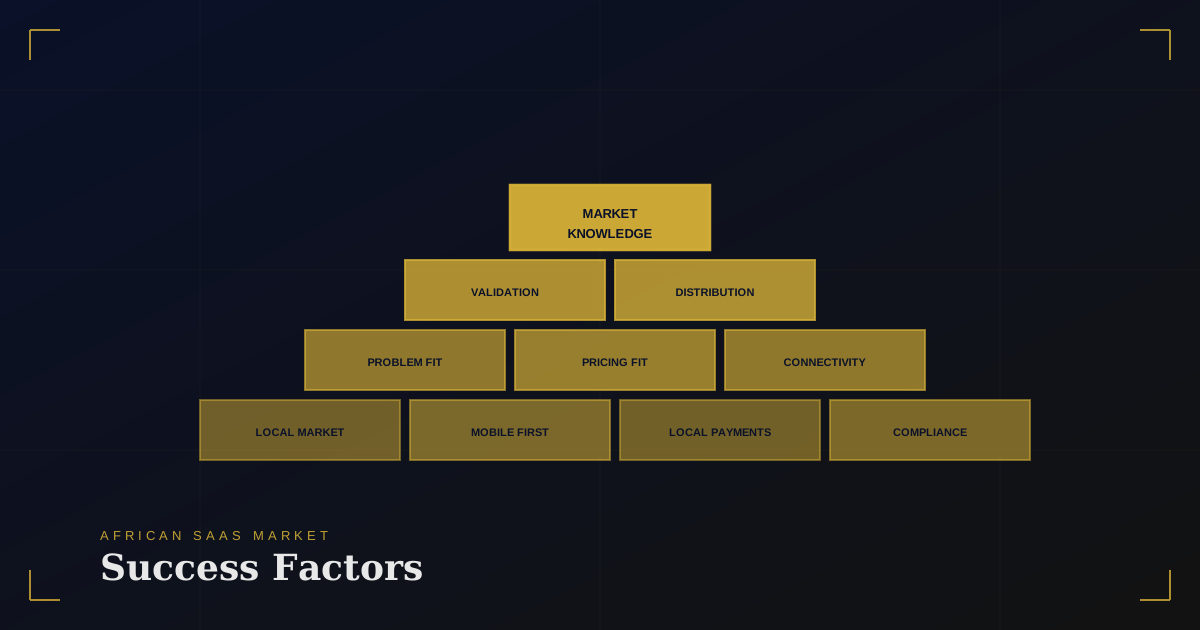
The African SaaS products that succeed share common characteristics. They solve a genuinely painful problem specific to their market. They are built mobile-first, not mobile-adapted. They work across connectivity conditions — graceful degradation when connections are slow or unreliable. They integrate with local payment infrastructure natively. They price appropriately for the market — not at global rates applied blindly to markets with different income levels. And they are built by teams with genuine market knowledge, not by outsiders making assumptions about what African businesses need. The opportunity is enormous. The market is real. The constraint is knowledge — and that constraint favours practitioners who are already inside the market.
If you are building a SaaS product for an African market, the principles are straightforward: start with the problem, not the technology. Validate demand before building. Design for mobile and low-connectivity from day one. Integrate local payment infrastructure early. Price for local market conditions. Build for the regulatory environment you operate in. I work with businesses across South Africa and the continent to design and build SaaS platforms that address genuine African market needs. If you have a SaaS concept worth building for this market, I am ready to discuss it.
Independent systems architect and digital strategist. I build digital infrastructure for organisations that cannot afford to get it wrong.